A Brighter Future for Dental Care: The Role of Teeth Whitening Technology in Modern Australian Cosmetic Dentistry
A smile can communicate confidence before a person has spoken a single word. It can soften a first impression, express warmth and influence how someone feels about themselves in professional and social situations. In Australia, where personal wellbeing increasingly encompasses both physical health and appearance, cosmetic dentistry is evolving to meet a more sophisticated set of expectations. Among the treatments shaping this transformation, teeth whitening stands out for its ability to combine scientific innovation with a relatively simple approach to smile enhancement.
Yet the future of a brighter smile is not simply about achieving the whitest possible shade. It is about understanding dental health, respecting individual differences and using modern technology to create results that look natural. As cosmetic dentistry advances, the conversation is gradually moving beyond surface appearance towards a more thoughtful relationship between confidence, oral health and personal expression.
The Science Behind a Brighter Smile
Tooth colour is influenced by several factors, including genetics, ageing, diet and lifestyle. Over time, coffee, tea, red wine and tobacco can contribute to surface staining, while changes within the tooth itself may produce deeper discolouration. The natural ageing process can also make teeth appear darker as enamel gradually wears and the underlying dentine becomes more visible.
Modern whitening treatments work by using bleaching agents, commonly hydrogen peroxide or carbamide peroxide, to break down coloured compounds responsible for discolouration. The effectiveness of a treatment depends on the cause of the staining, the concentration of the whitening agent, the application method and the individual’s dental condition.
This scientific foundation has helped make teeth whitening an increasingly considered option within Australian cosmetic dentistry. Rather than relying on guesswork or exaggerated promises, dental professionals can assess the condition of the teeth, identify potential risks and recommend an approach suited to the patient’s circumstances.
The distinction matters because a brighter smile should never come at the expense of healthy teeth and gums. Whitening is a cosmetic procedure, not a substitute for treating decay, gum disease or other underlying oral health concerns.
Technology Is Changing the Whitening Experience
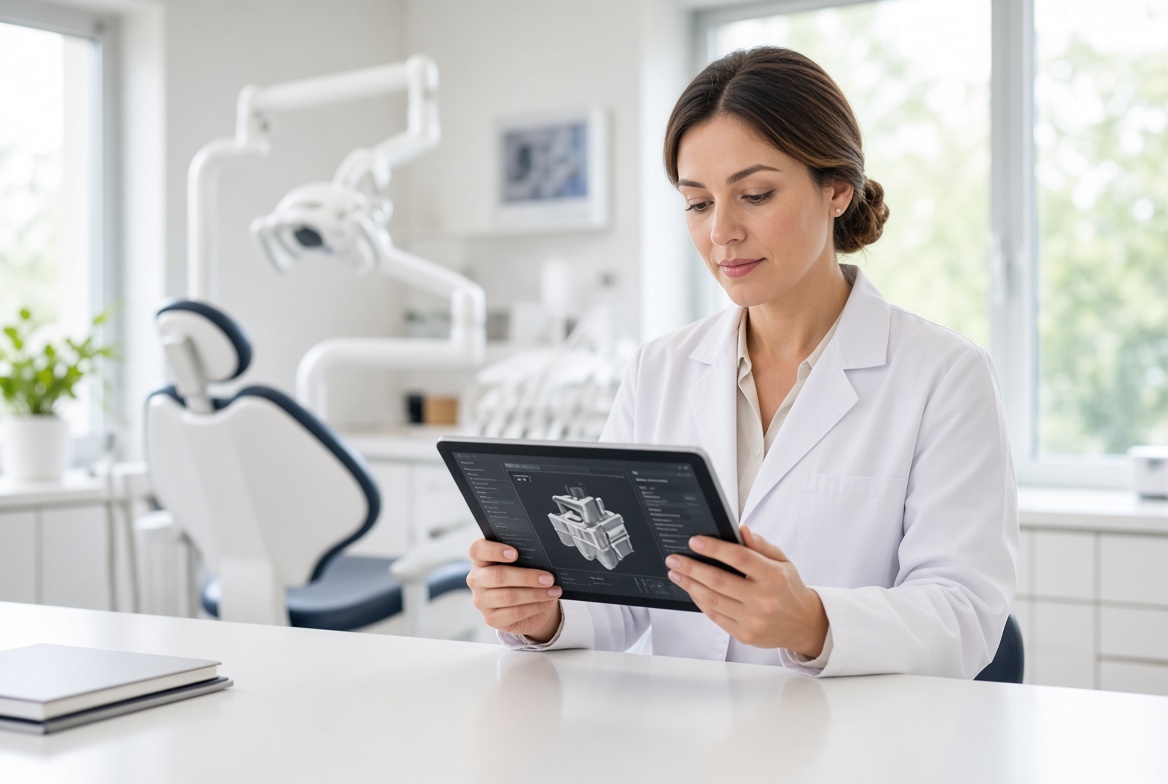
The modern dental clinic is increasingly shaped by digital imaging, improved treatment materials and more personalised planning. These developments are changing how cosmetic procedures are discussed, selected and evaluated.
Digital photography and smile assessment tools, for example, can help dentists document the original tooth shade and discuss realistic expectations with patients. Shade guides and carefully controlled lighting also assist with assessing colour before and after treatment. Although digital tools cannot guarantee a particular outcome, they can make consultations more informative and help patients understand the likely limitations of whitening.
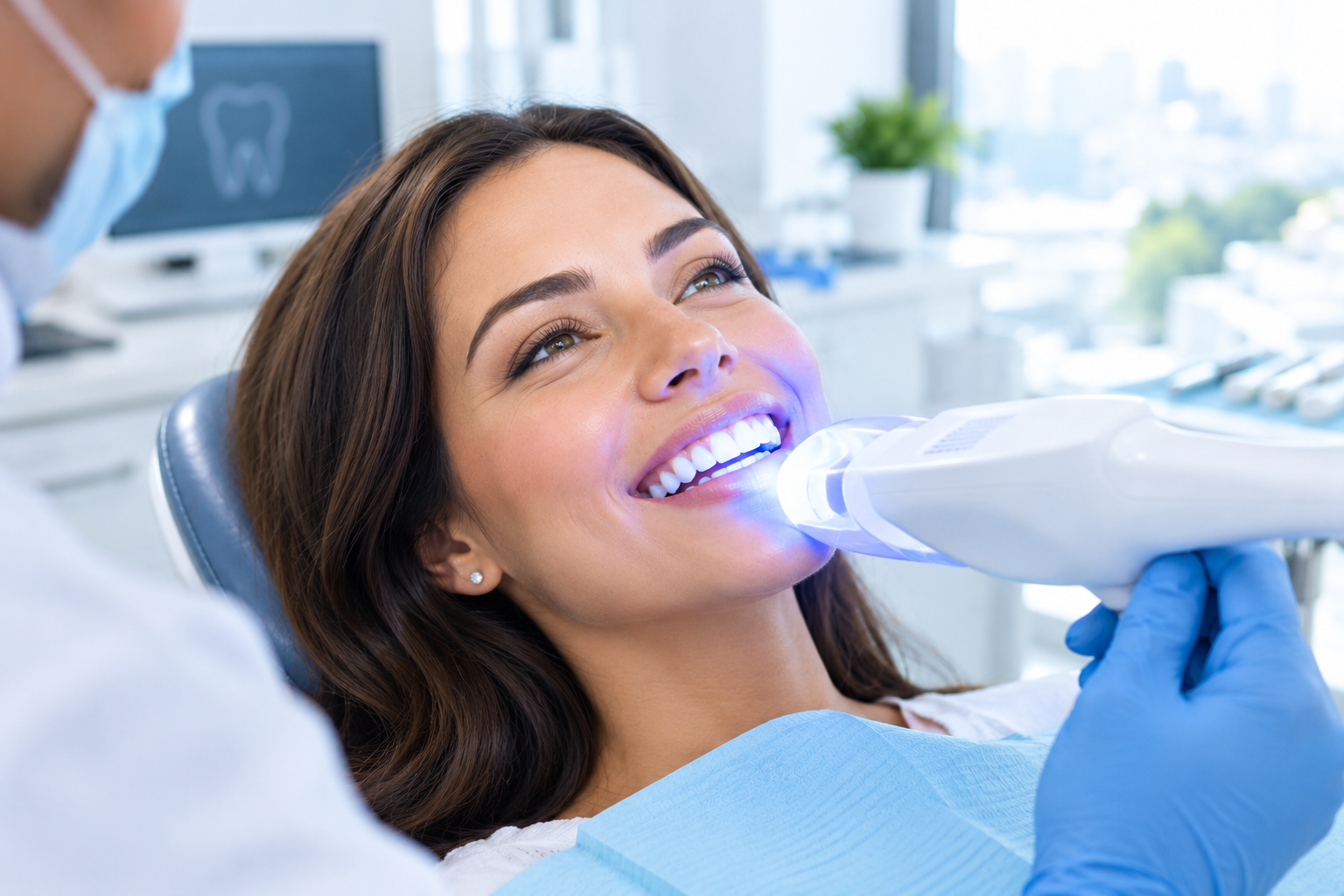
Professional whitening may involve treatment performed in a dental practice or dentist-prescribed take-home systems using custom-fitted trays. In suitable cases, these approaches can offer a more controlled alternative to unregulated products purchased online. The appropriate choice depends on the patient’s oral health, sensitivity, desired outcome and the cause of discolouration.
Light-activated whitening systems are also marketed by some clinics. However, stronger-looking technology does not automatically mean better results. Evidence regarding the additional benefit of light activation varies according to the system and treatment protocol. The whitening agent, its concentration, application and clinical supervision remain important considerations.
For Australian patients, the real technological achievement is therefore not simply faster treatment. It is the growing ability to make informed choices based on clinical assessment rather than marketing claims.
Beyond the Pursuit of Aesthetic Perfection
Cosmetic dentistry exists within a culture that often associates beauty with symmetry, brightness and uniformity. Social media, celebrity imagery and digitally enhanced photographs can intensify these expectations, encouraging people to compare their natural smiles with carefully curated ideals.
However, the pursuit of aesthetic perfection can become counterproductive when it overlooks the individuality of a person’s teeth. Natural teeth are not perfectly identical in colour, shape or translucency. These subtle differences contribute to the character of a smile, and removing every variation is not necessarily desirable.
A thoughtful cosmetic approach recognises that the best result is not always the brightest shade available. It is the result that complements a person’s natural features while maintaining the integrity of their teeth.
Dentists can help patients establish realistic goals by discussing their existing tooth colour, the likely degree of improvement and the limitations of whitening. Fillings, crowns, veneers and other restorations do not respond to bleaching agents in the same way as natural tooth enamel. Consequently, whitening may create colour differences between natural teeth and existing dental work.
This is why the pursuit of aesthetic perfection should give way to a more balanced ambition: a healthy, harmonious smile that reflects personal preferences without demanding unnecessary intervention.
Safety, Sensitivity and Responsible Treatment
Despite its popularity, teeth whitening is not entirely without risks. Temporary tooth sensitivity and gum irritation are among the most common side effects, particularly when products are used incorrectly or in concentrations unsuitable for an individual’s circumstances.
A dental assessment is especially valuable for people with untreated cavities, gum inflammation, exposed roots or existing dental restorations. Identifying these issues before whitening can reduce avoidable discomfort and help determine whether treatment should be delayed or modified.
Australian consumers should also approach online whitening products and unverified home remedies cautiously. Products containing inappropriate ingredients or used without suitable instructions may damage oral tissues or produce disappointing results. Abrasive substances and acidic DIY treatments can be particularly problematic because they may wear enamel or irritate the gums.
Whitening results are not permanent, either. Everyday habits and natural ageing can gradually affect tooth colour, while excessive or unnecessarily frequent treatment may increase sensitivity. Maintaining good oral hygiene, attending regular dental check-ups and following professional advice can help preserve results without repeatedly exposing teeth to whitening agents.
Responsible cosmetic dentistry is ultimately defined by the quality of the decision-making process, not merely the visual transformation.
The Future of Australian Cosmetic Dentistry
As dental technology develops, personalisation is likely to remain central to cosmetic care. Better imaging, improved materials and increasingly informed consultations can help patients understand their options and make decisions that align with their oral health needs.
At the same time, greater access to information places more responsibility on consumers to distinguish evidence-based treatment from persuasive advertising. A professional consultation provides an opportunity to ask meaningful questions about suitability, expected outcomes, possible side effects and long-term maintenance.
The future may also bring more sophisticated ways to document tooth colour and monitor treatment outcomes. Nevertheless, technological progress will be most valuable when it supports clinical judgement rather than attempting to replace it.
For Australian cosmetic dentistry, this represents an important shift in perspective. A successful whitening experience should not be measured exclusively by the number of shades gained, but also by patient comfort, realistic expectations and the preservation of healthy natural teeth.
A Brighter Smile, Guided by Better Choices
The next chapter of cosmetic dentistry will be shaped by the relationship between innovation and responsibility. Modern whitening technology offers valuable opportunities to enhance smiles, but its greatest contribution lies in helping people make better-informed decisions about their appearance and oral health.
A beautiful smile does not need to conform to a single ideal. It can be bright without looking artificial, carefully maintained without becoming an obsession and enhanced without sacrificing the qualities that make it unique.
Ultimately, the future of dental care is not about creating a world in which every smile looks the same. It is about giving Australians the knowledge, professional support and appropriate technology to feel comfortable with their own. When science guides expectations and individual wellbeing remains the priority, a brighter smile becomes more than a cosmetic outcome: it becomes an expression of confidence grounded in good health.